

Concrete Driveway Repair Des Moines: Fix or Replace?
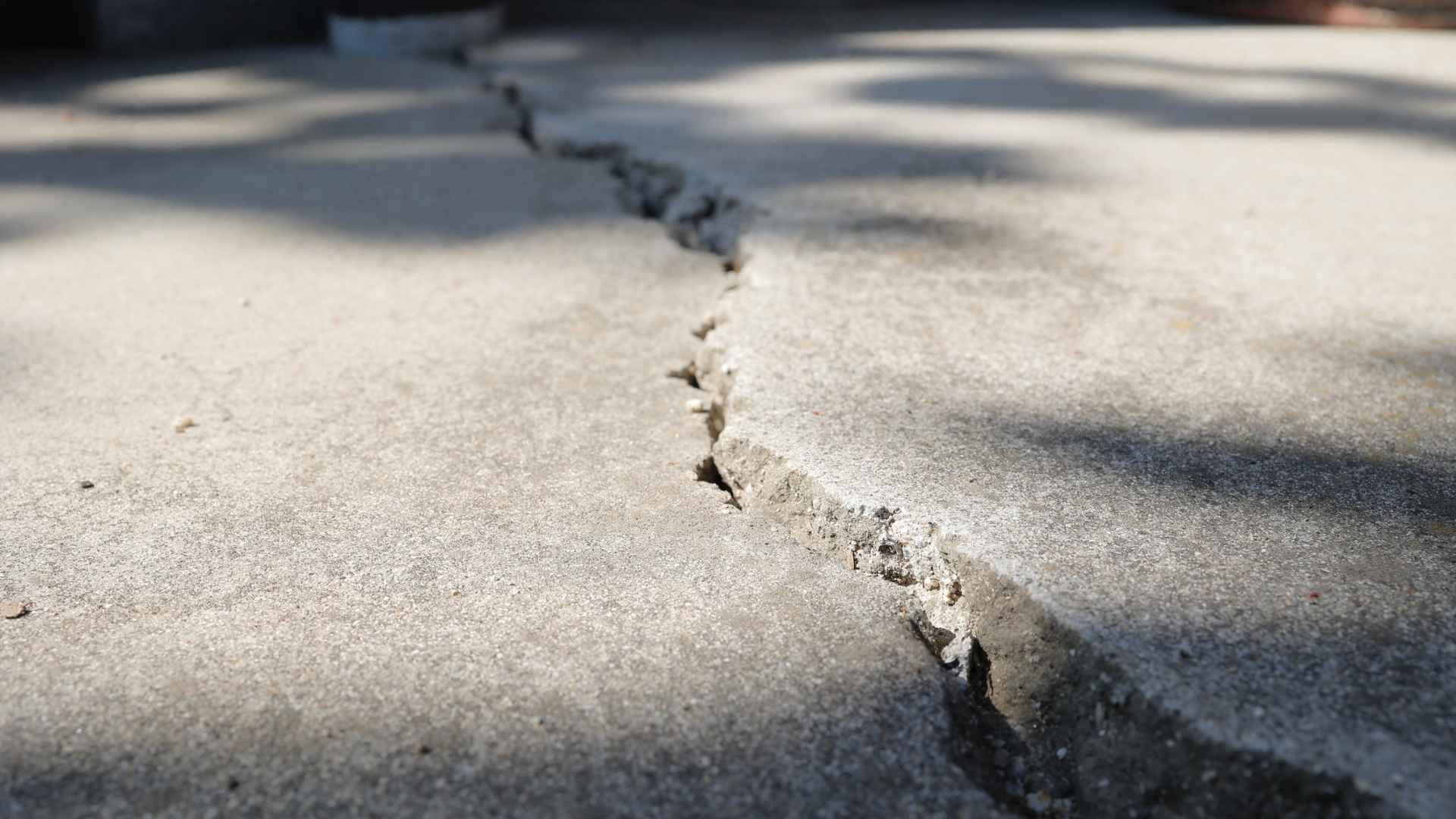
A crack in your driveway does not always mean disaster. Still, Iowa homeowners know small cracks often turn into larger problems after a few winters. People searching for concrete driveway repair Des Moines want straight answers before spending money. Some driveways need simple repairs. Others need a full replacement because the base underneath has already started to fail.
Concrete Cracks Happen for a Reason
Concrete cracks over time. Every contractor knows this. Homeowners often expect concrete to stay perfect for decades, especially after paying for a new driveway or patio. Weather, moisture, soil movement, and poor installation practices all place stress on concrete.
Andrew Quick of Quick Concrete Solutions explained this clearly during an episode of The Concrete Blueprint. He said, “Concrete is going to do two things without question: it’s going to get hard, and eventually it will crack.” His point was simple. A crack alone does not tell the whole story. The cause behind the crack matters far more.
Some cracks stay small for years. Others spread fast, widen, or create uneven slabs. A good contractor studies the entire driveway before recommending repairs. They check the grade, drainage, subgrade, reinforcement, crack pattern, and surrounding panels. Surface appearance tells part of the story. The conditions underneath tell the rest.
1. Freeze-Thaw Cycles Put Constant Stress on Iowa Concrete
Iowa winters are rough on driveways. Snow melts during the day and freezes again at night. Water slips into tiny pores and small cracks inside the slab. When temperatures drop, the water freezes and expands.
This cycle repeats all winter long. Over time, the pressure widens cracks and weakens the surface. Small cracks from one season often grow larger by the next spring.
Homeowners usually notice the damage after winter ends. A narrow crack from October suddenly looks wider in March. The slab might feel rougher or uneven. Edges may begin to chip or flake.
Moisture below the slab creates even larger problems. Frozen soil expands under the concrete and pushes sections upward. When the ground thaws again, the slab settles back down. Repeated movement places stress on the driveway and weakens the structure.
This is why early crack sealing matters. A sealed crack helps limit water intrusion. Less moisture inside the slab means less freeze-thaw pressure during winter.
Still, sealing only helps when the slab remains stable. Once sections begin shifting or sinking, the issue moves beyond surface repair. At that point, the base underneath the driveway often needs attention.
2. Poor Drainage Weakens the Ground Below the Slab
Many driveway failures start underneath the concrete. Water creates problems long before large cracks appear on the surface.
Rainwater, melting snow, and downspouts all affect the soil below the slab. If water collects near the driveway, the ground becomes soft and unstable. Once the soil loses strength, the concrete above it starts to move.
This often shows up near garage entrances or low sections of the driveway where water pools. Some homeowners notice cracks spreading from one corner outward. Others notice slabs sinking near downspouts.
Andrew Quick spoke about this during the podcast. His team studies drainage patterns before recommending repairs. They ask where the water goes during storms. They check whether downspouts direct water away from the slab. They look for soft soil and pooling areas.
Those details matter because a repair will not last if the water problem stays in place. Homeowners sometimes patch cracks only to watch the same damage return a year later.
Strong concrete still needs stable ground underneath. Poor drainage weakens even quality installations over time. A driveway lasts longer when water flows away from the slab instead of collecting beneath it.
3. Weak Subgrade Compaction Leads to Settling
The subgrade sits below the concrete. Contractors prepare and compact this layer before pouring the slab. Many homeowners never think about the subgrade because they never see it after construction ends.
Still, the subgrade plays a major role in driveway performance.
If the soil or rock base is not compacted properly, sections of the driveway begin to settle. One part of the slab sinks while another section stays in place. That movement creates stress cracks across the surface.
This issue often appears slowly. The driveway may look perfect during the first year. Cracks show up later after traffic, moisture, and weather place pressure on weak areas.
Uneven slabs, trip hazards, sloping sections, and wide cracks often point toward settling issues below the slab.
Quick Concrete Solutions talks often about proper preparation because the finished surface tells only part of the story. A driveway is more than concrete poured into forms. The base underneath determines how well the slab handles years of use.
Some homeowners choose leveling services to raise settled panels. In some situations, leveling helps extend the life of the driveway. Other situations require deeper repairs because the soil underneath continues shifting.
Replacing concrete without fixing the base creates another short-term result. The same movement often returns.
4. Too Much Water in the Concrete Mix Weakens the Slab
Many homeowners judge a driveway by appearance alone. Smooth finishing and clean edges look impressive on installation day. The long-term strength of the slab depends on far more than appearance.
One major issue involves excess water inside the concrete mix.
Some crews add extra water to make concrete easier to pour and finish. While this speeds up placement, the added water weakens the finished slab.
Concrete relies on the right balance between cement, aggregate, and water. Too much water lowers strength and increases the chance of cracking, scaling, and surface wear.
Andrew Quick discussed this during the podcast. He explained how extra water lowers PSI strength and weakens the integrity of the concrete.
Many homeowners never realize this happened until problems appear years later. The driveway may look clean and smooth during installation, then begin cracking after several winters.
This issue explains why contractor standards matter. Quick Concrete Solutions follows strict installation practices instead of rushing through jobs for speed. Andrew explained that his company follows standards used in Department of Defense and Army Corps of Engineers projects.
That approach matters because shortcuts often stay hidden until the slab begins to fail.
5. Missing or Poorly Placed Rebar Creates More Movement
Concrete handles compression well. Tension creates more problems. Rebar helps reduce movement after cracking occurs.
Many homeowners think rebar prevents cracks entirely. That is not its purpose. Reinforcement helps hold slabs together and limits separation when movement happens.
Driveways deal with heavy vehicle loads, seasonal ground movement, and repeated temperature changes. Without proper reinforcement, cracks spread more easily and panels shift farther apart.
Placement matters as much as quantity. Rebar placed too low inside the slab does little to support the concrete where stress occurs. Poor spacing also reduces effectiveness.
These details affect long-term performance. Homeowners rarely see reinforcement mistakes because the slab covers everything after the pour.
Small cracks in stable slabs still respond well to repairs in many cases. Large cracks combined with shifting panels point toward larger structural issues.
Replacement often becomes the better long-term option when slabs continue separating or sinking.
This is one reason low bids deserve careful attention. Cheap pricing often comes from skipped steps, thinner slabs, poor preparation, or reduced reinforcement.
6. Poor Control Joint Placement Causes Random Cracking
Concrete shrinks as it cures. Control joints help manage that movement.
These joints create planned weak points where cracking happens in controlled areas instead of random locations. Proper joint placement helps driveways look cleaner and perform better over time.
Problems begin when joints are missing, too shallow, too far apart, or cut too late.
Without proper joints, concrete creates its own path for stress relief. Random cracks spread across panels because the slab lacks planned relief points.
A crack along a control joint usually creates less concern than a crack across the center of a panel. In many situations, the joint performed the way it was supposed to.
Homeowners still need to maintain those joints. Water entering open joints creates freeze-thaw damage during winter.
Random cracking tells a different story. The issue may involve poor layout, curing problems, weak subgrade conditions, or installation mistakes.
A professional inspection helps determine whether the problem stays isolated or affects larger sections of the driveway.
7. Deicing Chemicals and Winter Wear Damage Concrete Surfaces
Iowa winters place constant stress on concrete surfaces. Snow, ice, road salt, and deicing products all affect driveway lifespan.
Vehicles track salt and moisture onto driveways throughout winter. Water settles into small cracks and pores inside the slab. Freeze-thaw cycles then place even more pressure on weakened areas.
Deicing chemicals also contribute to surface scaling and flaking. Newer concrete faces higher risk because the surface has not fully matured.
Surface wear does not always mean structural failure. Some slabs remain stable even with scaling or flaking near the top layer.
Still, surface damage combined with deep cracks or slab movement points toward larger issues underneath.
Decorative concrete often requires more maintenance than homeowners expect. During the podcast, Andrew Quick shared a story about a stamped patio in Johnston, Iowa. The patio developed multiple cracks and discoloration problems.
The homeowner considered resurfacing first. After reviewing the condition of the patio, Andrew recommended full replacement instead. The homeowner chose standard concrete with a clean finish and reduced future maintenance concerns.
That example highlights an important point. The best solution is not always the most decorative option. Long-term durability often matters more.
How to Tell Whether a Crack Is Minor or Serious
Not every crack requires replacement. Some cracks remain stable for years. Others signal larger structural problems.
The location, width, depth, and movement all matter.
Signs the Crack Is Less Serious
Hairline cracks along control joints often create fewer concerns. Narrow cracks with level surfaces usually point toward normal concrete movement.
If the surrounding slab feels stable and water does not collect nearby, sealing the crack often helps protect the surface.
Small cracks deserve attention before winter arrives. Early sealing helps reduce moisture intrusion and slows future damage.
Signs the Crack Points Toward Structural Failure
Wide cracks create larger concerns. Uneven slabs create larger concerns as well.
If one side of the crack sits higher than the other, the base underneath the slab may be shifting. Multiple cracked panels often point toward deeper movement below the driveway.
Recurring cracks after repairs also deserve attention. Repeated failure often means the original cause was never corrected.
Pooling water near the damaged area also signals trouble. Moisture below the slab weakens support and increases movement during freeze-thaw cycles.
Repair vs. Replacement: What Makes More Sense?
Repair works best when the slab stays structurally stable. Hairline cracks, joint sealing, and isolated damage often respond well to maintenance.
Replacement becomes the stronger option when the base fails, panels shift, or drainage problems continue damaging the slab.
Surface repairs improve appearance for a short time when deeper issues stay unresolved. The same cracks often return because the underlying cause never changed.
Andrew Quick addressed this directly during the podcast. He explained that Quick Concrete Solutions does not operate like a band-aid company. If a repair makes sense, the company recommends repair. If another contractor fits the situation better, Andrew refers homeowners elsewhere.
That honesty matters. Homeowners need realistic expectations before investing money into repairs or replacement.
Cost alone should not drive the decision. Cheap repairs lose value when the slab continues failing underneath. A proper replacement costs more upfront, though the long-term performance often outweighs repeated patch jobs.
Why Contractor Experience Matters
Concrete work depends on preparation, timing, and installation quality. Small mistakes during installation often create major problems years later.
Experienced contractors study more than surface cracks. They evaluate drainage, soil conditions, reinforcement, joint placement, and long-term movement.
Quick Concrete Solutions built its reputation around long-term quality instead of rushed work. Andrew Quick spoke often during the podcast about educating homeowners instead of pushing quick sales.
That approach matters in an industry where homeowners often hear conflicting advice.
A trustworthy contractor should explain why cracks formed, what repair options make sense, and whether replacement provides better long-term value.
Homeowners should ask questions about subgrade preparation, reinforcement, concrete thickness, drainage, and control joints before hiring a contractor.
Clear answers usually reflect stronger workmanship.
Understand the Cause Before Choosing the Fix
A cracked driveway does not always require replacement. At the same time, surface repairs do not solve every problem.
The right solution depends on the condition of the slab, the stability of the base, drainage around the driveway, and the type of cracking present.
Homeowners who understand the cause behind the damage make stronger long-term decisions. Quick Concrete Solutions focuses on that kind of honest guidance. For homeowners searching for trusted advice about concrete driveway repair Des Moines, understanding the root problem is the first step toward a lasting solution.
Watch the Full Podcast Episode on YouTube
Homeowners who want more insight into driveway cracks, repairs, and replacement options should watch the full episode of The Concrete Blueprint on YouTube. Mike Downer and Andrew Quick discuss how contractors evaluate concrete damage, what causes slabs to fail, and why long-term solutions matter more than temporary fixes. The episode gives homeowners practical guidance before making repair decisions or hiring a contractor.
FAQs About Concrete Cracks in Iowa
Why does concrete crack so often in Iowa?
Iowa weather creates constant expansion and contraction inside concrete. Freeze-thaw cycles, moisture, soil movement, snow, and road salt all place stress on slabs throughout the year.
Are small driveway cracks normal?
Yes. Small hairline cracks often form as concrete cures and settles over time. Cracks become more concerning when they widen, spread, or create uneven surfaces.
When should a driveway be replaced instead of repaired?
Replacement makes more sense when slabs sink, shift, or crack across multiple panels. Poor drainage and weak subgrade conditions also point toward replacement instead of surface repairs.
Does sealing cracks help extend driveway life?
Yes. Crack sealing helps reduce moisture intrusion. Less moisture inside the slab lowers freeze-thaw pressure during winter.
Do deicing salts damage concrete?
Yes. Salt contributes to moisture exposure and surface wear. Heavy salt use increases scaling and freeze-thaw damage over time.
Is mud-jacking or foam leveling permanent?
Some leveling repairs last for years. Others fail sooner if the soil underneath continues shifting or washing out.
What should homeowners ask a concrete contractor?
Ask about base preparation, reinforcement, drainage plans, control joints, slab thickness, and repair versus replacement recommendations.